Physical Address
304 North Cardinal St.
Dorchester Center, MA 02124
Physical Address
304 North Cardinal St.
Dorchester Center, MA 02124
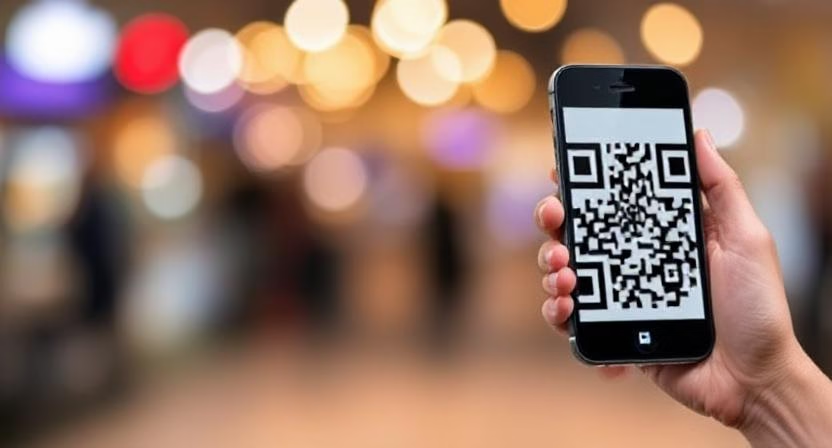
Full form of QR codes is Quick Response codes. QR codes were invented in 1994, by the DENSO Corporation. I’m sure you’ve seen lots of them. They are the natural progression of bar codes. Bar codes are one dimensional, encoding data in a series of alternating high contrast lines. QR codes store data in two dimensions in the form of an array of contrasting regions. The information density of a QR is much higher than a barcode; depending on the format used and the resolution of reader, over a thousand bytes can be encoded in a region the size of a postage stamp.
It’s a QR code is a type of barcode. By scanning it, you access the information encoded in it. In standard barcodes, information is encoded in the width of and distance between vertical lines. In QR , information is encoded in the arrangement of squares. Either way, data transforms into a machine-readable arrangement of visual elements. And upon scanning by an optical scanning device, the data translates back to its original form.But three things make QR extra special. The amount of data they can hold, how quickly they are read, and that virtually all of our phones can instantly and easily scan them. Here’s how these little miracles work.
A QR code is a scan able barcode encoded with data. Encoded means converted into a particular form. In the case of QR, numeric and alphanumeric characters, bytes, and kanji convert into a unique two-dimensional arrangement of squares. When an optical scanner passes over those squares, it translates their arrangement back into that data’s original form.In the QR , the arrangement of the squares—or data modules, as they’re called—is actually URL. It’s just been translated from the alphanumeric string of the URL into a collection of squares. That’s how you go from link to QR code. A QR scanner will then translate it back to the original URL.
The parts of a QR code is mostly relevant to anyone thinking of creating a QR . Be aware, though, of the QR security risks associated with free online services.
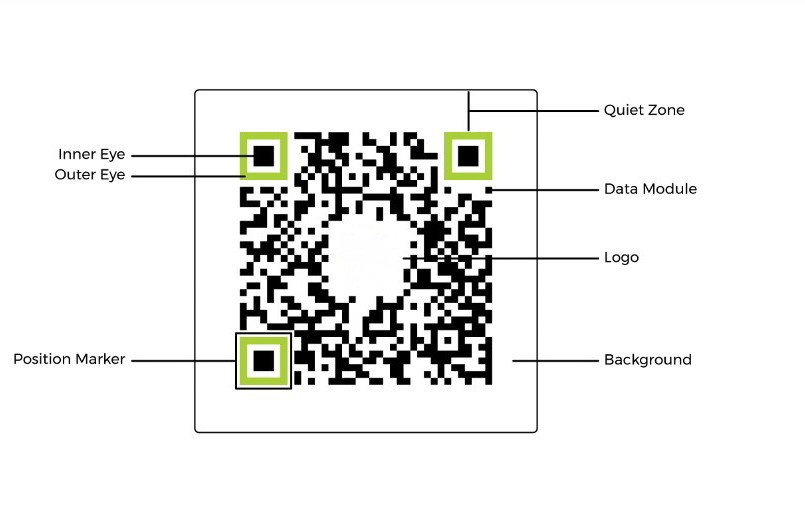
The most important parts of a QR code are:
There are three types of information that a QR stores: size, error correction level, and data type.
QR can store a variety of information, including numbers, letters, punctuation, and symbols, making them versatile for uses like business cards, restaurant tables, authentication, hotel check-ins, website logins, contactless payments, and digital wine lists. Unlike standard one-dimensional barcodes, which hold about 20 to 100 characters, QR can handle much larger amounts of data. While storing more characters does complicate the QR’s design, this isn’t always the case, as there’s a distinction between static and dynamic QR.
While learning how to scan a QR code is easy for you, the QR and scanner are doing a bit more work.The QR scanner begins at the bottom right of the QR . It then moves up two data modules at a time until it hits the first position marker. Then it moves two data modules to the left and goes down. It repeats this right-to-left, up-then-down zig-zag process until every data module is covered.Here’s a basic six-step outline of how the scanning process works.
Here’s a basic six-step outline of how the scanning process works.
This should help you visualize how a QR works:
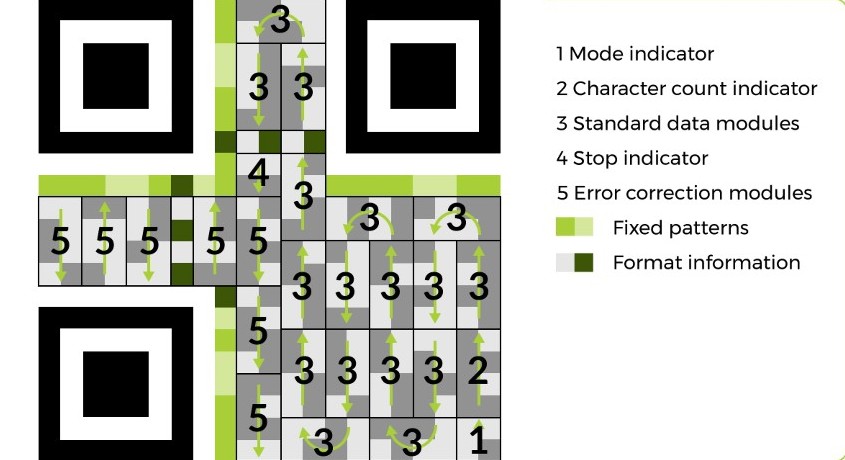
and that’s how QR code work!
follow for more our social account.

[…] deliver earnings like O to C business in the next 5 to 7 years. With an eye on embedding innovative technologies in every single business and another on powering India to a leadership position in green and clean […]